
Spring 2024, Volume 51
Features
Knowing Contentment
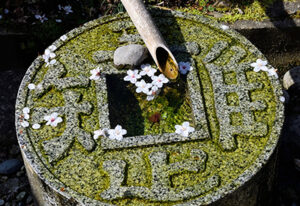
As the well-known Buddhist adage “Having little desire and knowing satisfaction” advises us, knowing contentment brings peace of mind and may facilitate our spiritual growth. This is why a number of spiritual masters in ancient India—including Shakyamuni, the historical Buddha, identified contentment as among the highest states of mind to be cultivated in life.
But perhaps there needs to be some mention of criticisms of the notion of contentment. For example, the notion of contentment as a moral value could be critiqued as an ideology that convinces the poor and oppressed to accept their oppression.
We realize, however, that knowing contentment helps us distinguish between need and greed. We may also say that knowing contentment starts from our conscious act of looking into the causes of things and events around us.
Knowing contentment can provide deep insights into the true nature of the qualities that form the foundation of human existence, thereby promoting coexistence between different cultures and traditions.”
In the Spring 2024 issue of Dharma World, we hope to explore the meaning of knowing contentment in today’s society.
Contentment Is the Greatest Wealth
by Kyoko Nishio
As you go about your life, join your hands in prayer for all that you have received.
The Path to Contentment
by David R. Loy
There are two aspects to gratitude: appreciation of something, and thankfulness directed to its source.
On Digging Momentum
by Gregory Grieve
Contentment thrives not in material stillness but in the vitality of purposeful action.
Contentment in the Age of Technology: A Case for Cautious Optimism
by Joshua C. Gellers
Contentment is a “cardinal virtue” achieved by the deliberate cultivation of mental and spiritual tranquility.
Niwano Peace Prize
The 41st Niwano Peace Prize Is Awarded to Professor Mohammed Abu-Nimer: Reasons for Selection
by Flaminia Giovanelli
The Niwano Peace Foundation announced the selection of the Palestinian-American professor Mohammed Abu-Nimer as the 2024 recipient of the Niwano Peace Prize, in recognition of his lifelong dedication to peace and interfaith dialogue. The reason for selection issued by Dr. Flaminia Giovanelli, chair of the Niwano Peace Prize Committee, follows.
Essay
Thich Nhat Hanh and Nikkyo Niwano: The Active Dimension of Buddhism
by Mike Sonksen
The six paramitas embody nonattachment because they are practiced while expecting nothing in return.
A Call to Be Audacious
by Keiichi Akagawa
Since 1986, the Community of Sant’Egidio has sponsored a yearly “World Day of Prayer for Peace,” a gathering of religious leaders from around the world for a day of joint prayer. In September 2023, the thirty-seventh international gathering for peace under the theme “The Audacity of Peace” was held from September 10th through the 12th in Berlin. Representing Rissho Kosei-kai, Rev. Keiichi Akagawa, the director of Rissho Kosei-kai International, gave a speech during one of the sessions held under the theme “The Humanitarian Emergencies of Our Time.” Rev. Yoshinori Shinohara, representing Religions for Peace Japan and Asia, also gave a speech during one of the sessions held under the theme “A World Free from Nuclear Weapons.” Their addresses follow.
Peace through Common Action
by Yoshinori Shinohara
Since its founding, Religions for Peace has sought to bring together the diverse resources of religions to achieve common action.
Reflections
Sealing the Cracks in Your Mind
by Nichiko Niwano
Rissho Kosei-kai Buddhism
All Roads Lead to Awakening: Re-Enchanting the World by Transforming Our Relationship with the Environment
by Dominick Scarangello
We and all the other existences in this world are not separate like we tend to think, and so neither is our buddha nature—our unique dynamic potentialities. We can envision ourselves sharing one grand buddha nature and actualizing a single integrated buddhahood.